
PHOTO
With spring starting, our region welcomes the arrival of migrating birds to NE Victoria including the Rufous Whistler.
Over the next couple of weeks they will arrive and start looking for ideal sites to breed over the coming months.
Known as one of Australia’s finest songbirds, their rich, musical song can be heard from a distance and their song is sometimes triggered by a loud noise, such as a clap of thunder, gunshot or passing train or car.
Ordinarily the song is characterised by an often repeated ‘ee-chong-chip’ call, although a variety of whistles and trills are given at various volumes, rhythms and tempos.
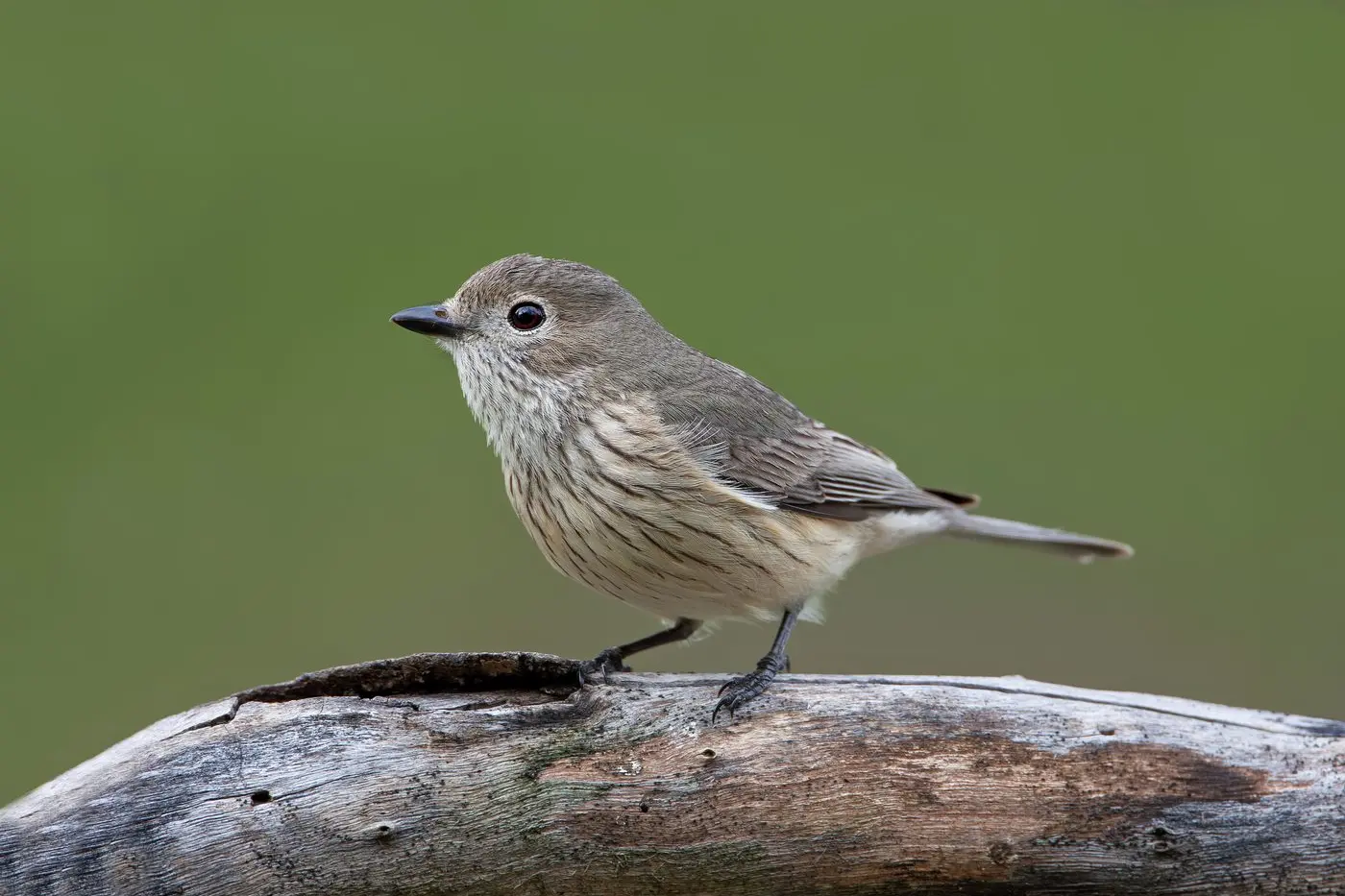
The Rufous Whistler is a stocky bird with a large head, short stubby bill and a narrow, relatively long tail with a square or slightly forked tip.
The male has a black face mask and is dark-grey above with a white throat, black breast and a reddish (rufous) underbody.
Females are dull grey to brown, with streaked underparts.
Young birds are brighter red than adults and have heavily streaked underparts.
The Rufous Whistler eats insects found among the foliage of trees and shrubs, and sometimes also consumes seeds or fruit.
It is rarely seen on the ground preferring to rest or forage in the foliage three or four metres above ground.
The Rufous Whistler breeds in monogamous pairs, and both males and females incubate the eggs and care for the young.
The female builds a fragile, cup-shaped nest from twigs, grass, vines and other materials, bound and attached to a tree fork with spider web.
Two broods may be produced in a season, usually in spring.
They are seen in most habitat types where suitable dense cover and low shrubs occur.
Rufous Whistlers migrate from the northern and inland parts of NSW starting at this time of year to Victoria to breed, returning north as the cooler weather of autumn starts, where they spend the cooler months.
Locally, the Rufous Whistler is found in forests and woodlands with a shrubby understorey.
Luckily, they are also found in gardens and farmland with some trees, and in remnant bushland patches, including Kaluna Park and Mullinmur along the Ovens River in Wangaratta.
So over the next few weeks listen when walking outside for the distinctive and often continuous ‘ee-chong-chip’ calls and once heard look for these whistlers, perched on a dead twig of a low tree or shrub.