
PHOTO
The average make up of a household in the Rural City of Wangaratta is expected to change over the next decade, creating a higher need for different types of housing and a shift away from the historical three to four bedroom homes.
The municipality's current population of around 30,000 is expected to hit 32,000 by 2036 - and it is expected that about 34 per cent of households will be lone person occupants, 30 per cent will be couples with no children, and the rest will be couples with children or one parent families.
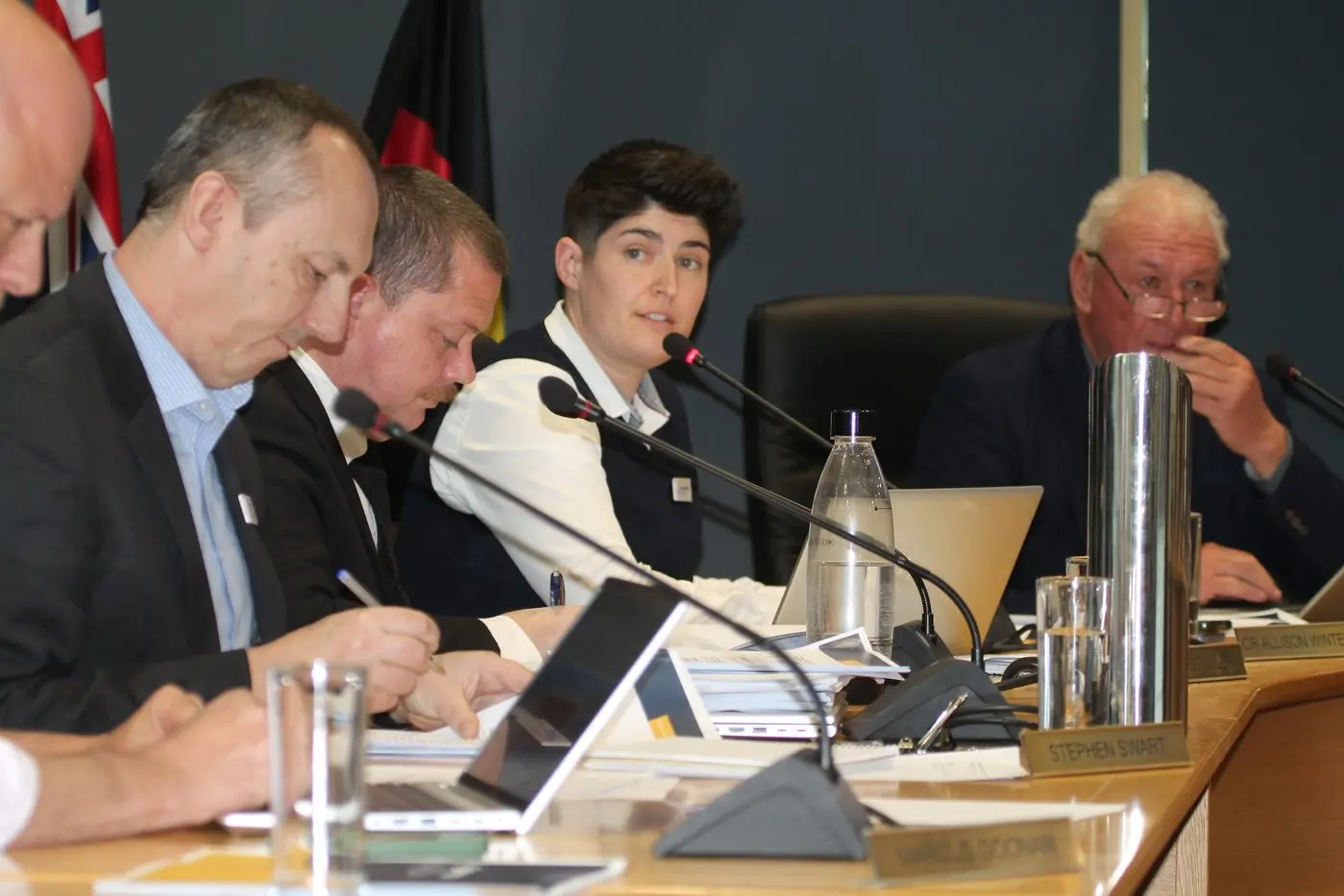
They are statistics that Wangaratta councillor Allison Winters brought back from a Municipal Association of Victoria (MAV) workshop, telling a story of how the provision of housing will have to change to cater for this demographical forecast.
Cr Winters said Wangaratta council's planning decisions must reflect that change as well.
“As a new councillor with nine months experience, I see this as a critical time to expand my knowledge in areas that aren't yet in my toolkit - planning and housing sit right at the top of that list," Cr Winters said.
“I've already been involved in several planning applications and now know how important it is to maintain clarity about our roles at every stage of the process.
“That clarity safeguards integrity, ensures transparency, and builds trust with the community.”
One of the most important lessons Cr Winters took from the workshop was the need to truly adopt a human-centred approach to housing.
“Affordable housing isn't just for others, it's for the people who keep our communities running," Cr Winters said.
“It's for essential workers, it’s for old women who are the fastest growing group experiencing homelessness, it's for young people leaving care, people with disabilities, those going through crisis, and survivors of family and domestic violence.
“Many of these people are not strangers, they are long-term residents, caregivers, parents, neighbours - people who have given so much to their communities, but who now face barriers to secure housing.”
Cr Winters explained that housing stress and homelessness are often invisible and the faces of housing and security don't match outdated stereotypes.
"That's why recognising lived experience behind the statistics is so important because it grounds council’s policies in compassion and fairness," Cr Winters said.
The workshop also reinforced a powerful message for Cr Winters, that planning decisions are public health decisions.
“For example, long commutes are linked with high risk of heart disease and obesity, and housing isn't just about bricks and mortar, it directly shapes health, wellbeing, and social connection,” Cr Winters said.
“For me, it means we should regularly review our planning scheme to ensure it meets today's challenges, addressing housing need, supporting economic development, protecting environmental assets, and responding to climate change.
“But more than that, we need to remember that housing is about dignity, security, and belonging.
“Behind every planning proposal, are real people whose lives are shaped by the choices we make.
“If we lead with empathy, integrity, and evidence, we can influence not just the built form of our towns, but also the sense of fairness and inclusion that holds our communities together.
“This workshop reminded me that our responsibility is not only to make planning decisions to help shape the housing future that reflects who we are as a community and who we want to be.”
The current population of the Rural City of Wangaratta is about 30,000.