
PHOTO
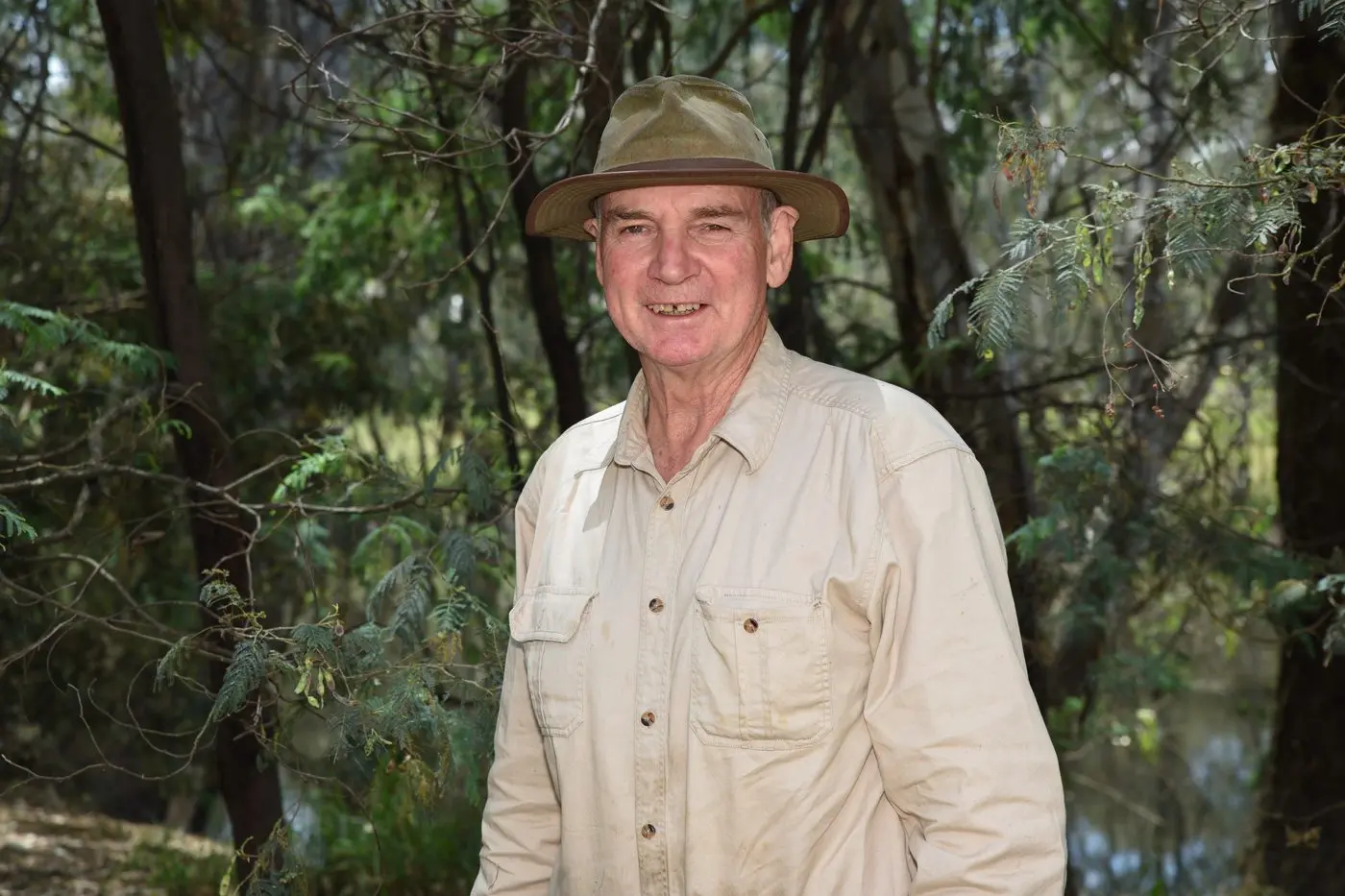
WANGARATTA Landcare and Sustainability president Tony Lane is backing the state body’s 10-year strategic plan, which seeks more security in funding in the long-term from the State Government.
The Landcare Plan for Victoria 2023-2033 was recently released, outlining a blueprint for the 80 local Landcare facilitators and 10 regional coordinators who manage Landcare networks across the state, with Landcare Victoria highlighting the need for a $48m investment over four years to improve job retention and manage Landcare’s growing workload.
The government recently announced an $8.2m investment in extending the roles of facilitators and coordinators across the state until June 2025, however, Landcare Victoria chair Jane Carney said more needed to be done to provide longer-term job security to those in the role.
Mr Lane echoed her sentiments, saying there were three part-time facilitators who are employed by the Ovens Valley Landcare Network which play a key role in supporting local groups and promoting Landcare activities at community events.
A facilitator usually works with seven or eight Landcare groups plus other related groups such as the recently established “Friends of the Warby-Ovens National Park”.
“In releasing the 10-year strategic plan they’re highlighting to the government that they need to take a longer timeframe (approach) to provide us certainty so that as we recruit facilitators, we’re not just saying ‘well we’ve only got funding for this for the next one or two years, but we’re sure we’ll get some more,’” Mr Lane said.
“With recruitment and filling jobs these days, you’ve got to make a pretty good pitch to get good people into jobs – we know the government wouldn’t dare walk away from Landcare, but they just need to take a different approach with funding allocations to provide more certainty going forward.
“Each of the Landcare facilitators we’ve seen over the years have been high quality people who add great value, and we probably need more of them – they bring really good life experience, either from being on the land or other natural environment roles, and I think we should offer them more employment certainty in the Landcare structure.”
Facilitators regularly attend individual Landcare group meetings, before linking groups with others who are undertaking similar projects to “stitch activity together across the network”, according to Mr Lane.
He said the strategic plan had also highlighted important considerations going forward for local Landcare groups, including a need to ease the volunteering burden on senior members of the community.
“Attracting volunteers into community organisations is a tough gig these days – and perhaps there is an over reliance on older people, often who are in retirement,” Mr Lane said.
“Part of the way I want to look through to this is finding ‘bite-sized’ project activity that people can happily put their hand up for, without feeling committed for the next three years on a certain project.
“The formation of more urban-based Landcare and sustainability groups as part of the Landcare Victoria structure also provides an opportunity for people residing in local towns to also be involved in caring for the environment.“