
PHOTO
BREAST Cancer Awareness Month may be over, but Northeast Health Wangaratta (NHW) is encouraging locals to continue to take time to consider the impact of the most commonly-diagnosed cancer among Australian women.
One in seven women are expected to receive a diagnosis in their lifetime.
NHW has a number of surgeons who offer care to those experiencing breast cancer diagnoses, including Dr Adam Cichowitz, Dr Andrew Macleod, Dr Matthew Shears, and two surgeons who have recently joined the team - Dr Jovy Corpio and Dr Brad Bidwell.
They all agree that finding breast cancer early provides the best chance of surviving the disease.
Dr Bidwell, who started his career as a breast cancer researcher, earned a doctorate at Peter MacCallum Cancer Centre researching breast cancer metastasis and its interaction with the immune system, as well as new therapies for advanced cancer.
In medical school, he developed a passion for surgery.
“I wanted to be able to treat cancer before it ever reached the stage that I used to see when I was researching metastatic cancer,” he said.
“Something I’ve known from my time as a breast cancer researcher is that most breast cancer is very treatable if found early, and this is why it is important that we encourage women to attend breast screen for regular mammograms and to do regular self-examinations.
“With mammograms, we can often detect lumps before women can feel these themselves and if we intervene at this stage then our chance for successful treatment increases dramatically.
“Often, women in this situation will have a very good outcome from a straightforward operation, a short course of chemotherapy and some hormone blocker tablets.
“At NHW we are very lucky to have a team comprising many different health care professionals, including breast care nurses, operating theatre staff, radiologists and nurses, ward nursing staff, surgeons as well as medical and radiation oncologists.
“This allows us to deliver the same high level of care that patients would receive anywhere in Australia, but with the benefit of seeing the same people look after you each time - people who know you and your particular problems and concerns, allowing us to provide more personalised care to our patients.”
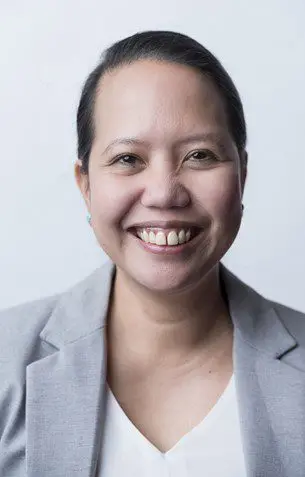
Another new member of the Wangaratta team, Dr Corpio, began her general surgical training in the Philippines, where she was an advocate for breast cancer education and early detection.
She contributed to outreach programs providing vital education to smaller hospitals in Manila, and supported national breast cancer initiatives; this has continued since her move to Australia.
As a female surgeon, she is acutely aware that all women face the risk of developing breast cancer at some point in their lives, and she knows the importance of early detection.
Dr Corpio is currently the chair of the Wangaratta Cancer Multidisciplinary Meeting, where she leads collaborative efforts to improve cancer care.
The NHW team encourages people to look out for breast changes including a new lump or lumpiness, especially if only in one breast; changes in the size or shape of the breast; changes to the nipple, such as crusting, ulcer, redness or inversion; nipple discharge that occurs without squeezing; changes in the skin of the breast such as redness or dimpling; or an unusual pain that doesn’t go away.
Nine out of 10 breast changes aren’t due to cancer, but it’s important to see a doctor to be sure.
Women and trans and gender diverse people aged 40 and over who do not have breast symptoms are eligible for free breast screens with BreastScreen Victoria.
Women and TGD people aged 50 to 74 are invited for a free breast screen every two years, as the evidence of benefit is strongest in this age group, while women and TGD people under 40 and over 74 are encouraged to talk to their doctor about whether breast screening is right for them.
To reduce your risk of breast cancer, it’s important to be active, quit smoking, drink less alcohol, maintain a healthy weight and eat a healthy, balanced diet.