
PHOTO
IN a move which could impact a proposed $750m solar facility in the King Valley, the Victorian Government has been asked to adopt a policy that would protect high value natural and agricultural land from the installation of renewable energy facilities.
The Biodiversity Council - an independent expert group founded by 11 Australian universities to promote evidence-based solutions to Australia’s biodiversity crisis - wants .
the government to roll out mapping and analysis of regions across the state that will determine places that have low agricultural and natural values rather than areas that are simply close to transmission line infrastructure.
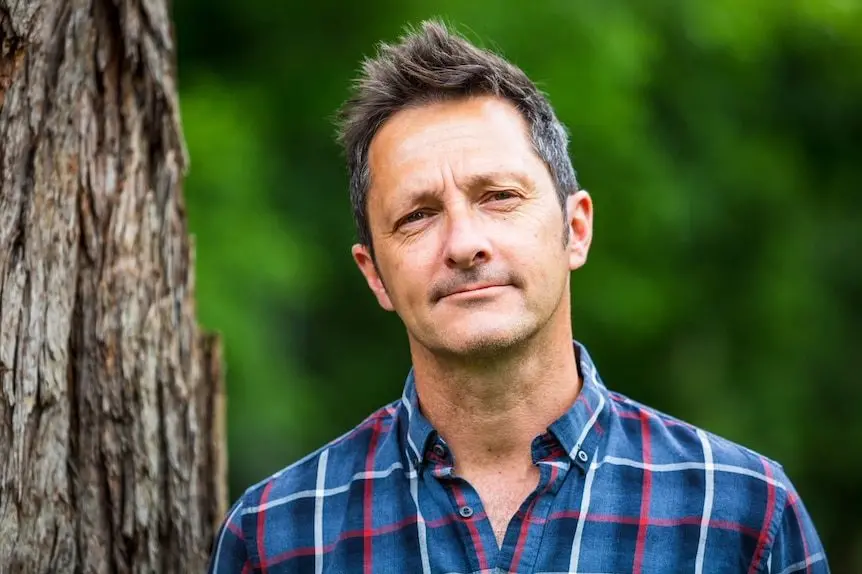
Biodiversity Council member and Professor in Conservation Ecology Brendan Wintle from The University of Melbourne, said agricultural values would include the land's proximity to rivers, irrigation and soil fertility.
He said the mapping would look at the natural values and look at where the critical habitats such as wetlands are for the most threatened species.
“The University of Melbourne is leading a rapid analysis to help identify ‘green-light’ zones where renewable energy projects could be rolled out with the lowest impacts on agriculture, nature and culturally important species and places," Prof Wintle said.
“For example, ‘green-light’ zones are likely to include degraded cleared land that is no longer being used for agriculture and, in the case of wind farms, well away from the flight paths of vulnerable bird and bat species.
"This would be a map-based exercise, but it also has to be community based and at times there will be cultural values in certain areas that aren't well-mapped and people need to be consulted as well so those values are brought forward."
It comes as the State Government announced it would fast-track all renewable energy projects in a bid to speed up the green energy roll out.
Under the mapping of high agricultural areas, facilities like a proposed $750 million solar development at Meadow Creek near Wangaratta could be protected if it could be established that it has high natural, agricultural or cultural values.
Proponents of the solar farm have highlighted the location of the Meadow Creek property as ideal as it's close to transmission line infrastructure, but Prof Wintle warned against this type of approach.
He said there needs to be a greater move towards low greenhouse gas emission energy sources, but it needs to be done in a way that keeps food production areas and biodiverse areas protected.
"We are not convinced at the moment that energy development companies or the government are taking seriously the need to really carefully manage where and how we do this, and we feel there needs to be more effort to do that," Prof Wintle said.
He said society agrees we need to reduce carbon emissions, but it means the onus has to be put on developers to do it right.
"It might cost a bit more for developers to site facilities away from these high value biodiversity or high value agricultural lands but that's the price we have to pay to still have functioning ecosystems or agricultural systems," Prof Wintle said.
He said the Biodiversity Council has called on the State Government - which is responsible for a lot of the land management decisions - to invest properly in the mapping of the biodiverse land that has high natural, agricultural and cultural land values.
"We need those resources in place so we can make informed decisions about where we should site renewable energy projects and we need to do it quickly," Prof Wintle said.
"We need MPs to stand up and say we're going to put the people on the ground so they can inform developers to then make good choices about the types of land they submit proposals for."